
in flight/en route
pigeon photographers and horizons: reflections on flight, war, greed, and death (our common end)

Julius Neubronner: German apothecary, inventor, art aficionado, company founder, a hobby magician, and a lover of carrier pigeons. In 1908, Julius invented a camera the could hang around a pigeon’s neck and take two pictures during flight. He would continue to refine his invention until he could time the exact place he wanted to capture a photograph of. Why invent such a thing? Perhaps he was a romantic and desired to see the world the way a bird did in flight. The early pictures suggest this with their skewed angles and chaotic framing, transcendent in their wild qualities.
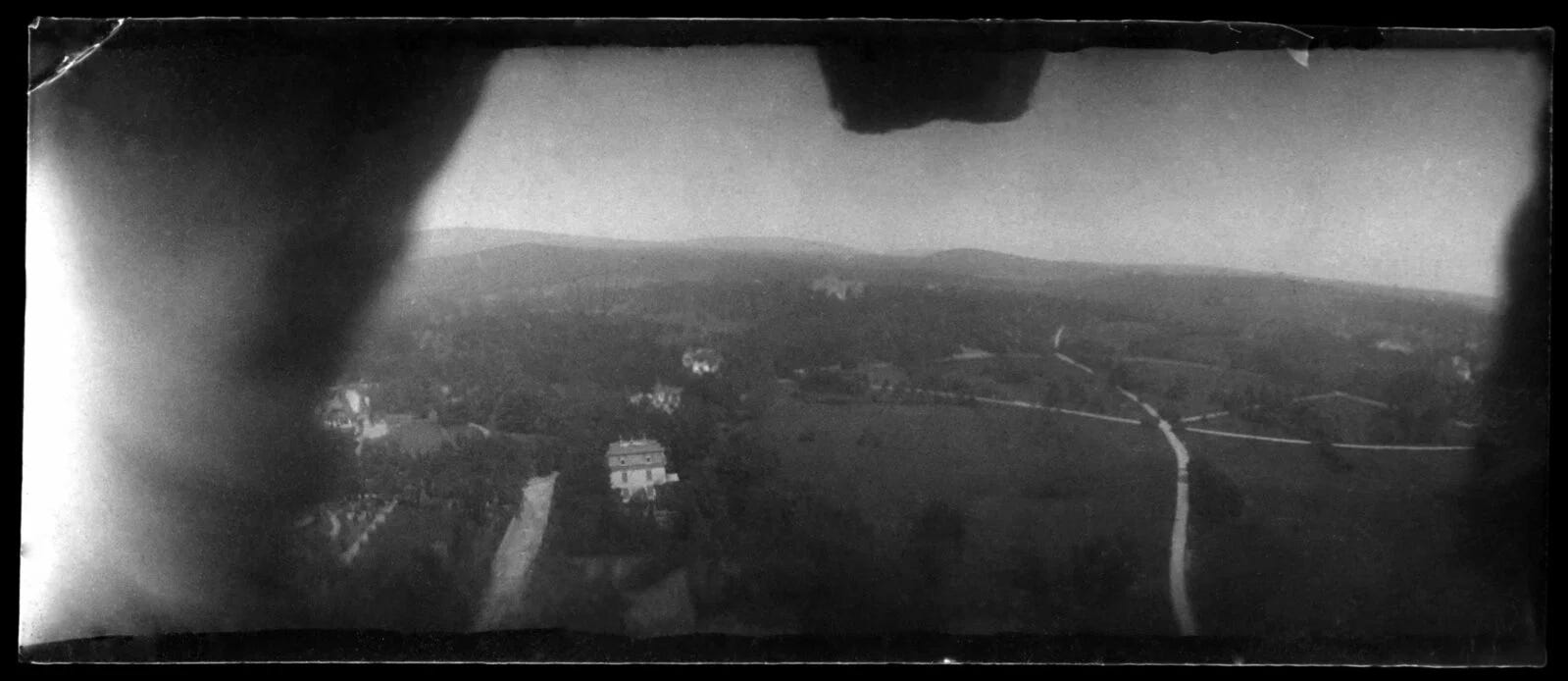
But Neubronner went further with his invention, by using the pigeon’s known flight speed and their departure point, he was able to calculate how long it would take for a pigeon to reach the object he wanted a photograph of. He then would set his automatic shutter to that time point, and voila, the pictures could now capture set upon places of interest.
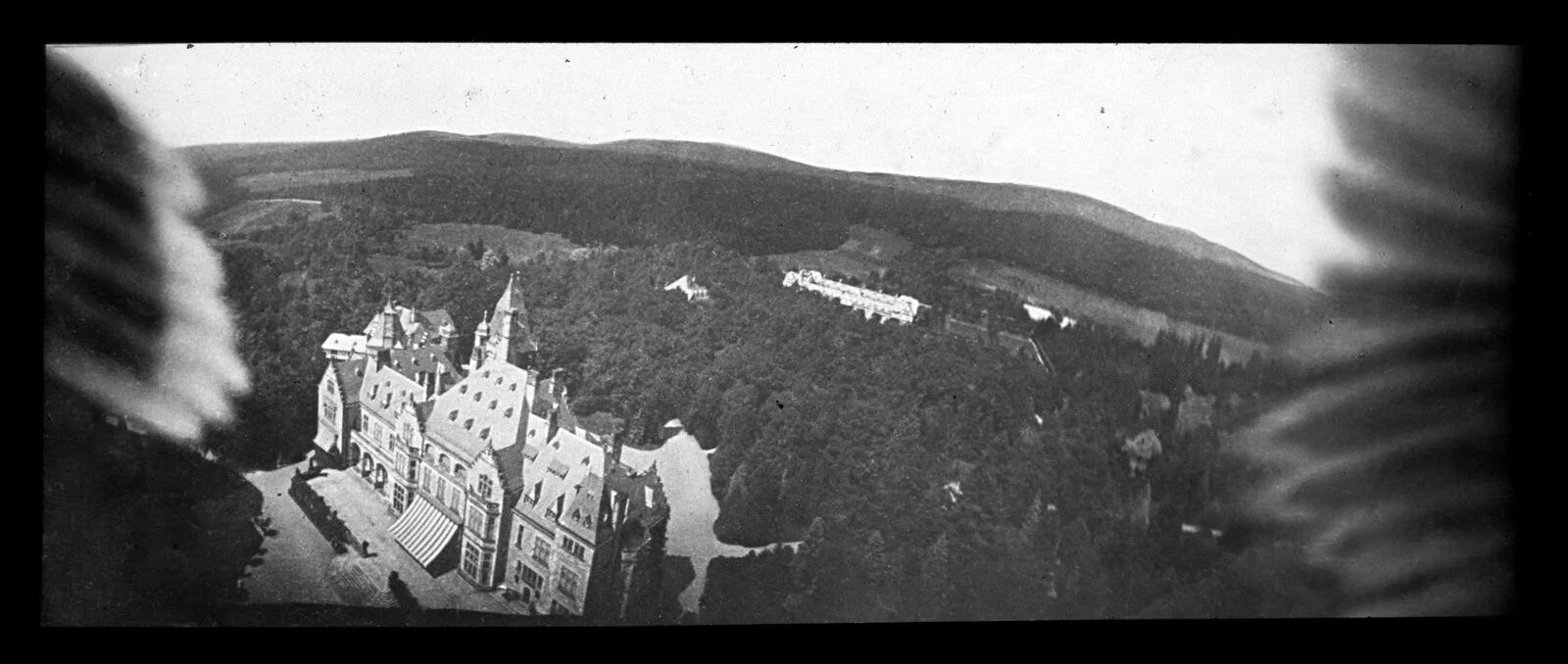
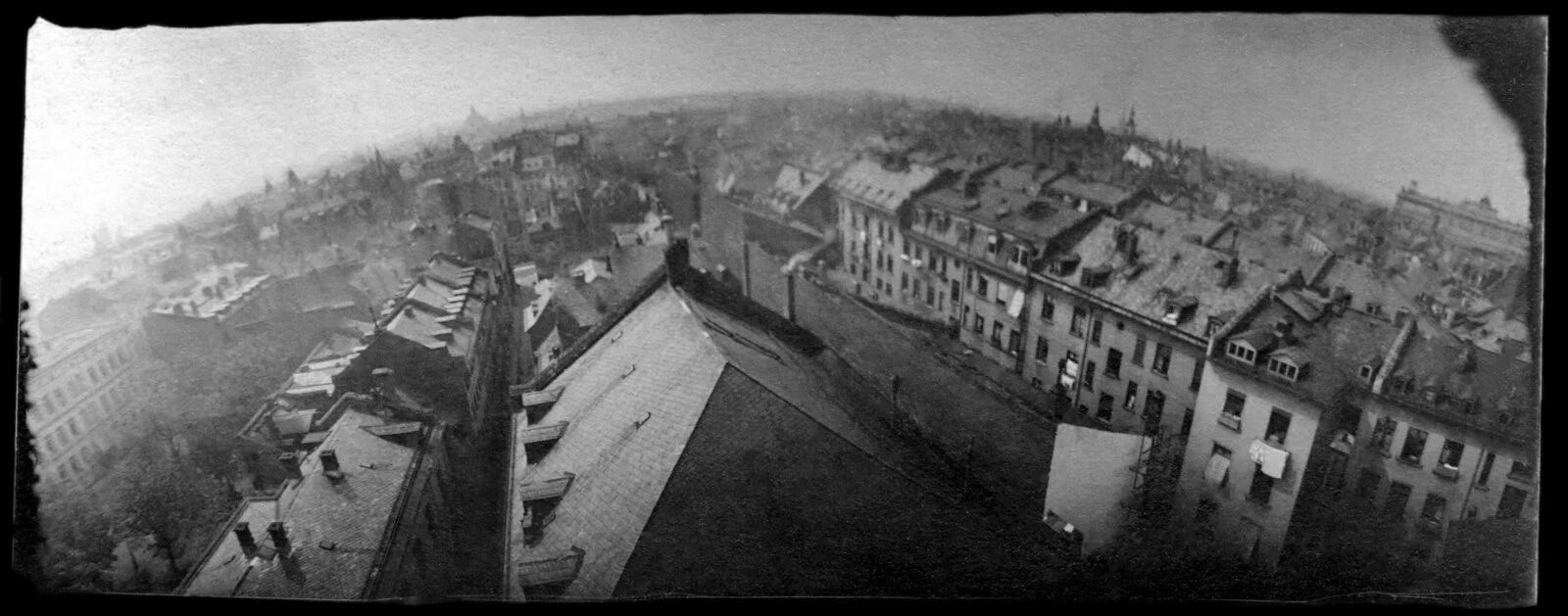
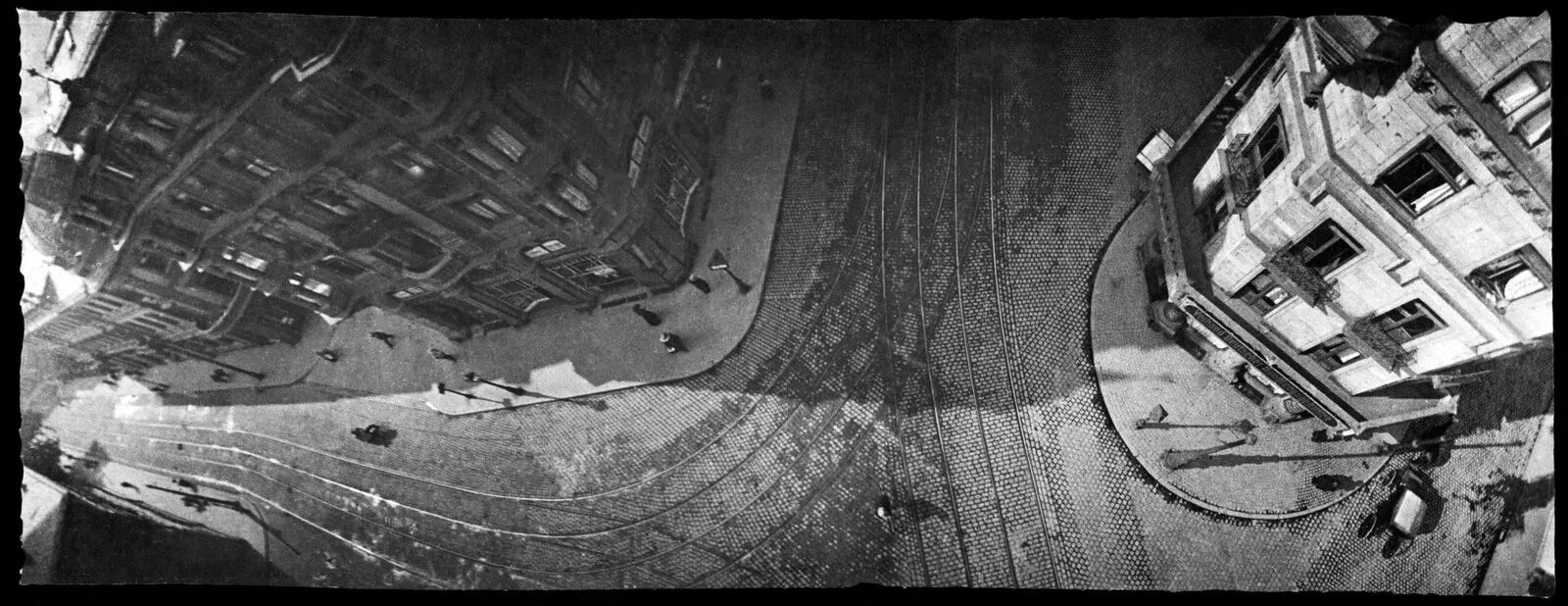
So like any businessman with an eye and a hunger for money, he thought about the potential uses for this product of his, and pitched his pigeon photographers to the German Ministry of War. The Ministry did indeed test out these avian camera aficionados but other and more rapid advancements in aerial photography superseded the use of Neubronner’s pigeons. Still there are some that credit Neubronner with the invention of the first reconnaissance drone.
I don’t remember when or where I learned about Neubronner and his pigeons, but whenever I am on an airplane looking down at the world from a “bird’s-eye-view” I think of these wonderful photographs and the awe of seeing the world from above. Flight has always been one of mankind’s most attractive and universal of dreams, from the story of Daedalus and the fall of Icarus, to Abbas Ibn Farnas leaping from a tower in Cordoba strapped with bird-like wings (he glided gracefully for a time before taking a bit of a hard landing) in 875 AD, to Leonardo Da Vinci’s extensive notes and schematics for potential flying devices.
All these beautiful dreams and yet the tragic reality of the 20th and 21st century stems directly from their dreaming. War and flight, they go together like sunshine and summer, like blood and a wound. At least this is the sentiment that some slippery businessmen and dubious politicians would nod their heads vigorously in favor of would have us beliee.
When I am up here, in flight, looking down from above, when I look at the pigeon’s pictures, war and flight diverge dramatically at the the horizon line. The former becomes small, pathetic, naive, churlish, and vulgar. The latter becomes vast, all-seeing, all-knowing, and boundlessly compassionate to the everydayness of all who live and strive and breathe and try to be in this world.
In Mao’s poem “To Guo Moruo”, the speaker represents this divergence into the sky, looking not down on Earth, but almost as if he is fixing his gaze on it after turning to survey the vastness of the cosmos:
On our small planet
A few houseflies bang on the walls.
They buzz, moan, moon,
And ants climb the locust tree
And brag about
Their vast dominion.
Most of us seem to fall into the role of the houseflies, so concerned with the minutiae of our egoic everyday concerns, unawake to the realities of that larger cosmic vision that we are part and parcel of. Julius Neubronner comes to mind here as someone unaware of the beauty of his own ingenuity and inventiveness.
The ants are easy enough to recognize, those who are only appetite, worshippers of the false gods of money and power and dominion over others. Like Tolstoy’s Pahom in the short story, “How Much Land Does A Man Need?”, no dollar amount, no yacht, nor mansion, no bombing campaign, nor building with their name on it will bring these ants fulfillment or satiation, it will only lead them to the endless craving for more and more and more, until all they are is a void. Their silly belief that wealth and power will protect them from the hardship’s of life and the hollowness inside speaks to their profound naiveté and simple character. In the end, no loved one attends Pahom’s funeral. It is Pahom’s servant that buries him without ceremony: “And six feet from his head to his heels was all he needed.”
The poet’s scope and the pigeon’s lens capture this moment, then flit to the next, and then to the next, and the next after that. Leaping from one moment to another, attempting to capture this small planet where we are continually delighted and equally appalled by the inexhaustible qualities of life on this Earth.
Had no idea about the pigeon camera ❤️ lovely little essay
Beautiful Essay Maia!